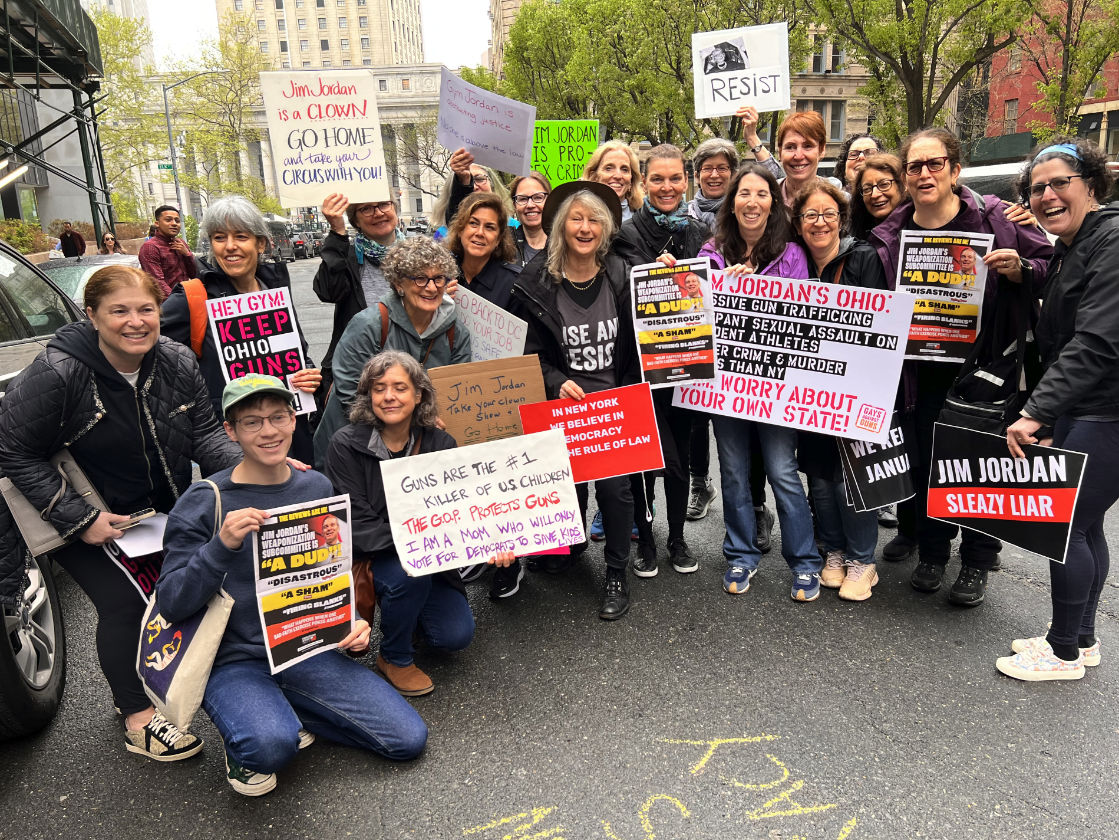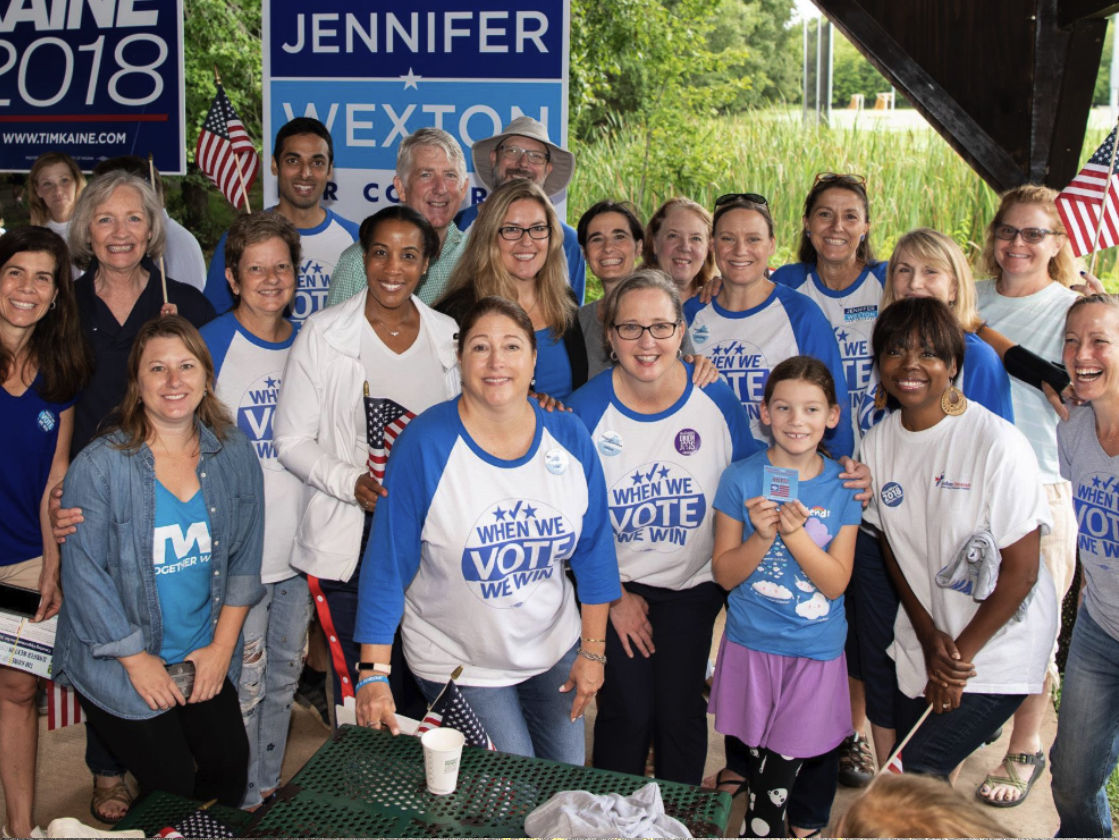
The Persisterhood Oral History Project, launched in June 2025, captures and preserves the powerful stories of women who stepped into politics because they could not stay silent after the 2016 presidential election—and in response to the ongoing attacks on freedom, justice, and democracy.
By gathering and sharing our stories, we are protecting women’s history and making sure it is never erased. Our voices hold hard-won lessons, courage, and hope. When we share them, we spark inspiration for future generations. Our vision is simple and bold: a living archive where women’s voices are heard, remembered, and celebrated—now and for years to come.
Get Involved

Orientation Sessions
The first step to having your story collected and preserved is to attend an orientation session. Register for the date that works or you.

Volunteer
Be a project volunteer and help collect and preserve our stories
Suggest People to Be Interviewed
If you know people whose stories should be part of the Persisterhood Collection, let us know by sending an email to [email protected].
Articles & Podcasts Showcasing the Persisterhood Project
Women have always been at the heart of movements for change. Pick a movement — civil rights, labor, voting rights, and, of course women’s rights — and you’ll find women organizing, leading, building, and pushing it forward. And yet, too often, our contributions are minimized, overlooked, or forgotten.
We’re not letting that happen again. Read more…
Persisterhood Oral History Project – Spotlight #2 Michele Hornish and Linda Meigs
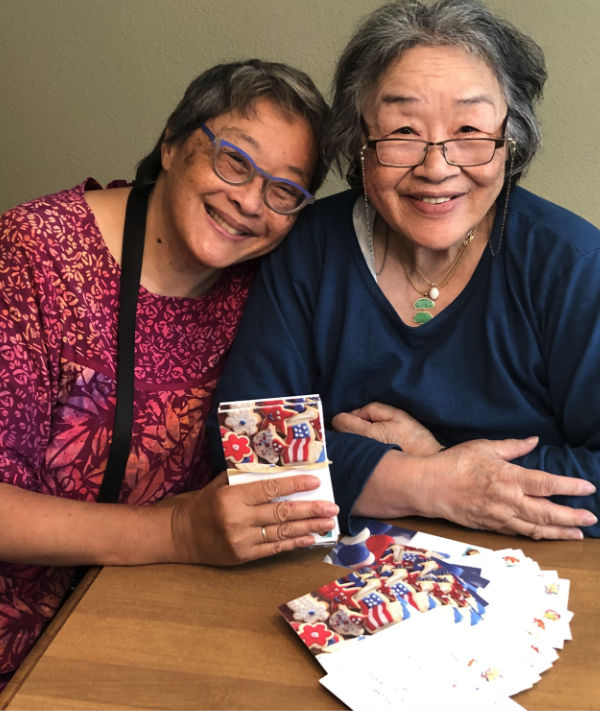
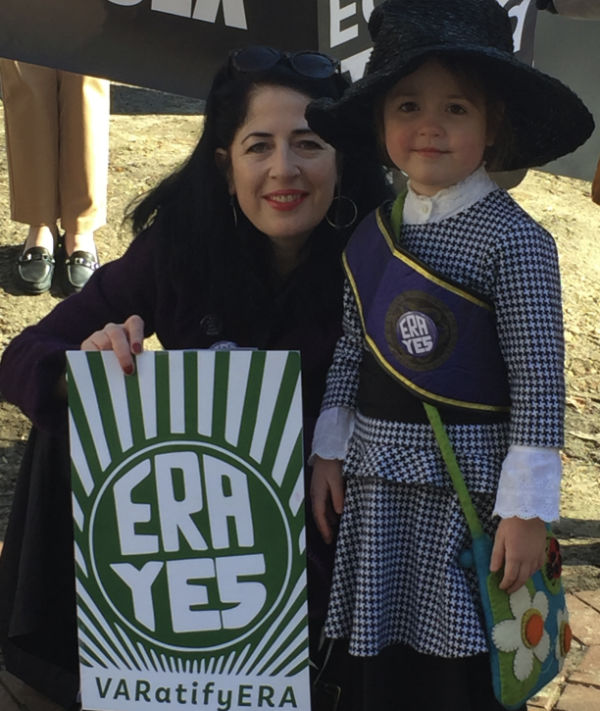
For our 2nd spotlight article we are featuring the stories of two women who explain how activism has changed the course of their lives. After the 2016 election, Michele Hornish began searching for a meaningful way to use her skills as an attorney and professional photographer in response to the shock and disappointment she felt that night. Linda Meigs describes how her political journey began at the 2017 Women’s March in Washington, D.C. Read more…
Schar School of Policy and Government’s “Policy and Governance Perspectives Podcast”
The Persisterhood Project With Robbin Warner And Abbi Tesreau
May 11, 2026
For a summary, transcript or audio version of the interview, click here
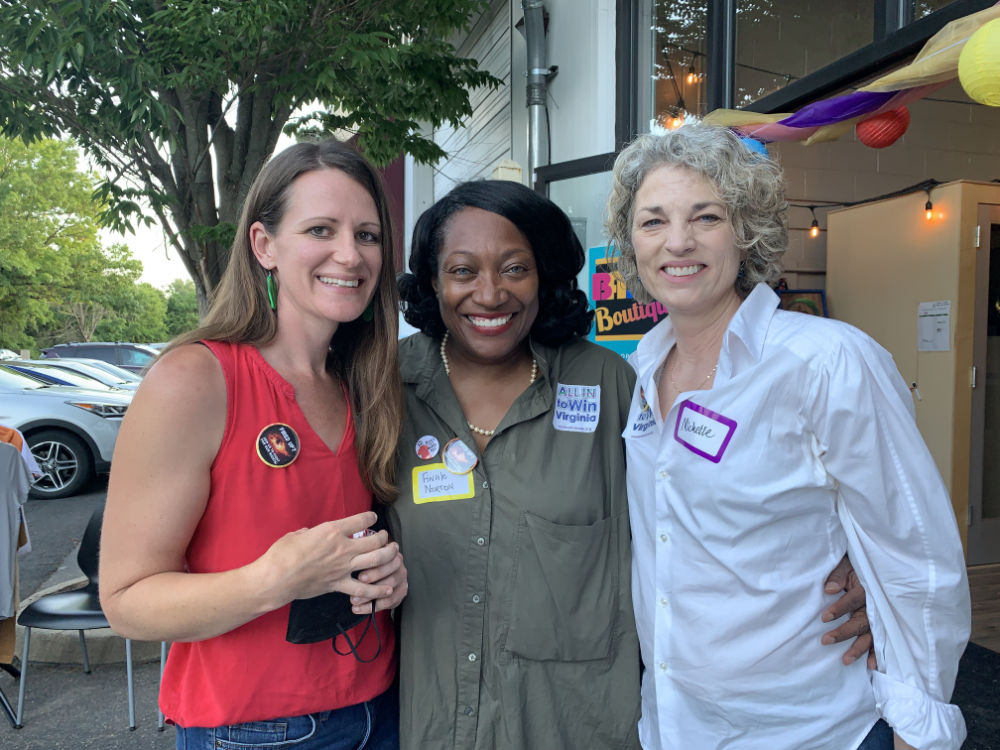
The only way to be remembered, is to leave behind a good story.
Why This Matters
When the history of major moments is recounted, the story of women’s involvement is absent. This project seeks to rectify this when it comes to the story of women standing up to defend Democracy.
The Persisterhood Oral History Project will capture the powerful voices of grassroots women. The 2016 elections were an awakening. Women jumped to their feet and immediately turned a defeat into an all out offensive! This living legacy will celebrate the unsung heroines whose tireless efforts have shaped communities and inspired change.
Why Now!
For the first time in modern American history, there are forces at work actively and publically censoring, revising and erasing the history of our nation. In a March 13, 2024 joint statement by the American Historical Association and the Organization of American Historians, they condemned the federal government for engaging in “a systemic campaign to distort, manipulate, and erase significant parts of the historical record.”
We need to record and preserve our stories so they can never be erased from the story of our nation.
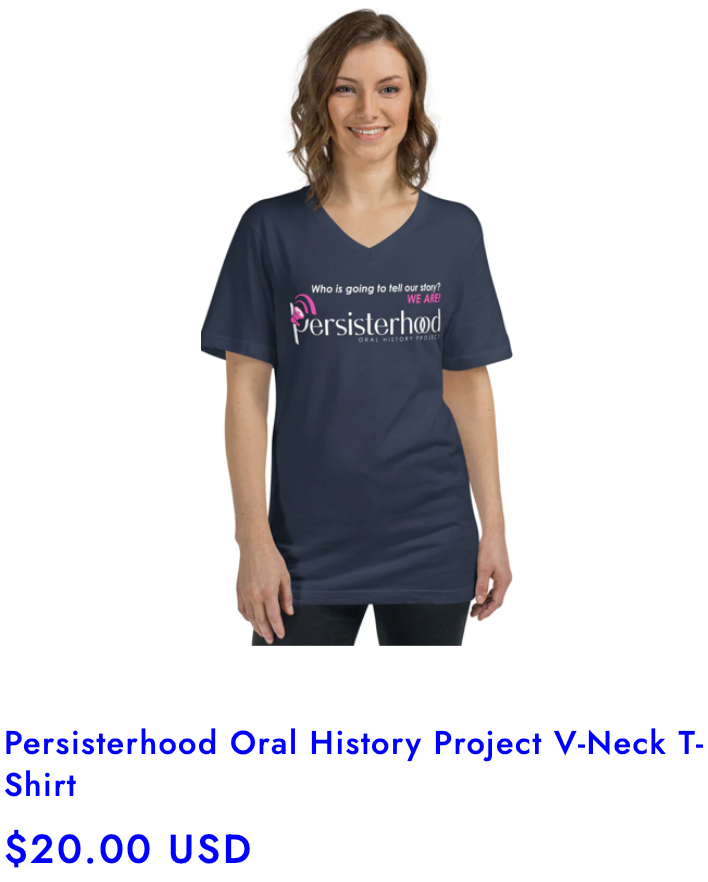
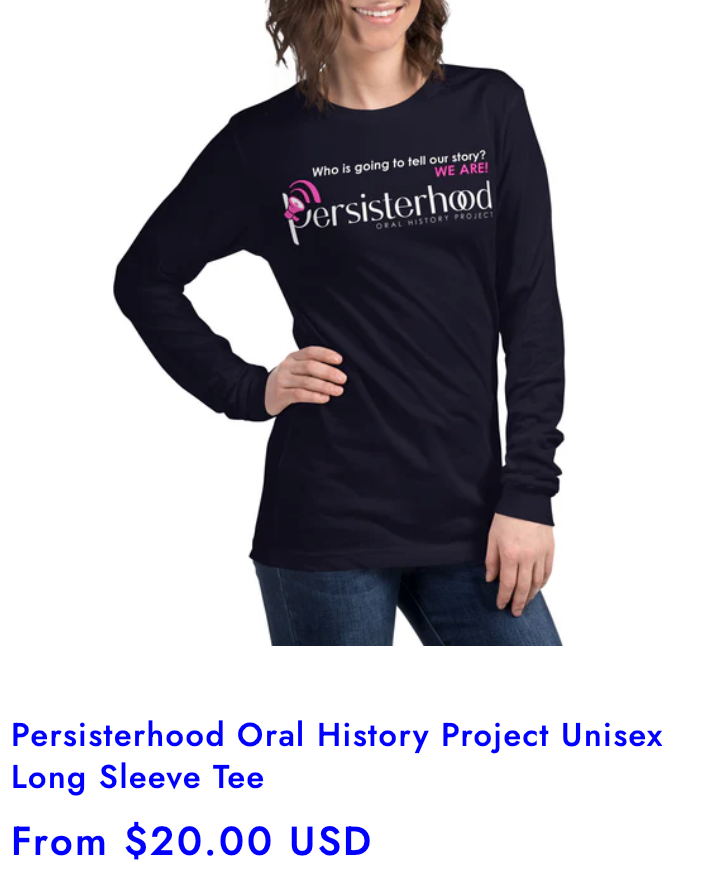
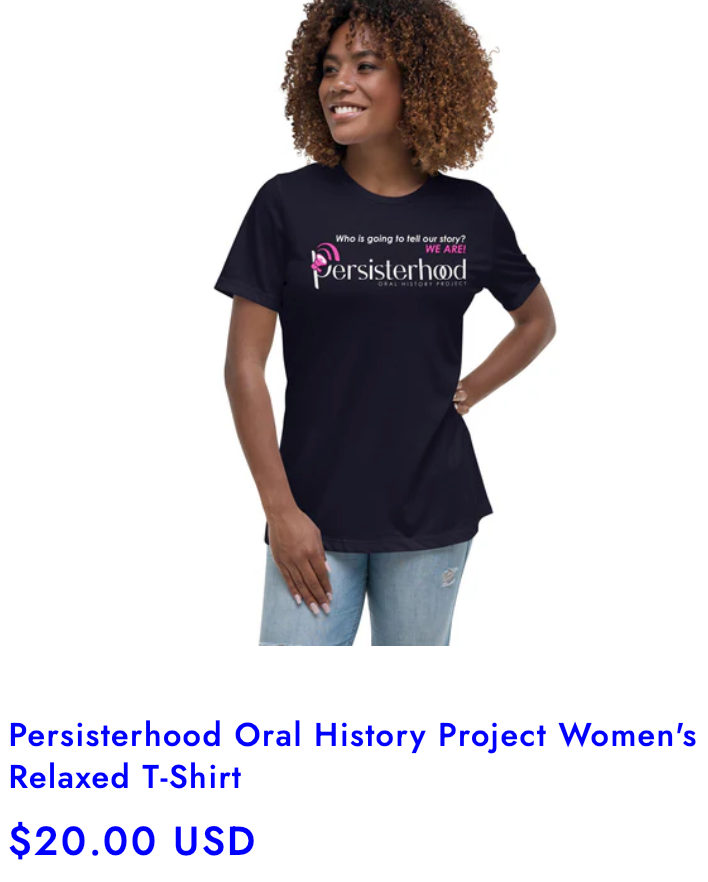
Persisterhood Merch
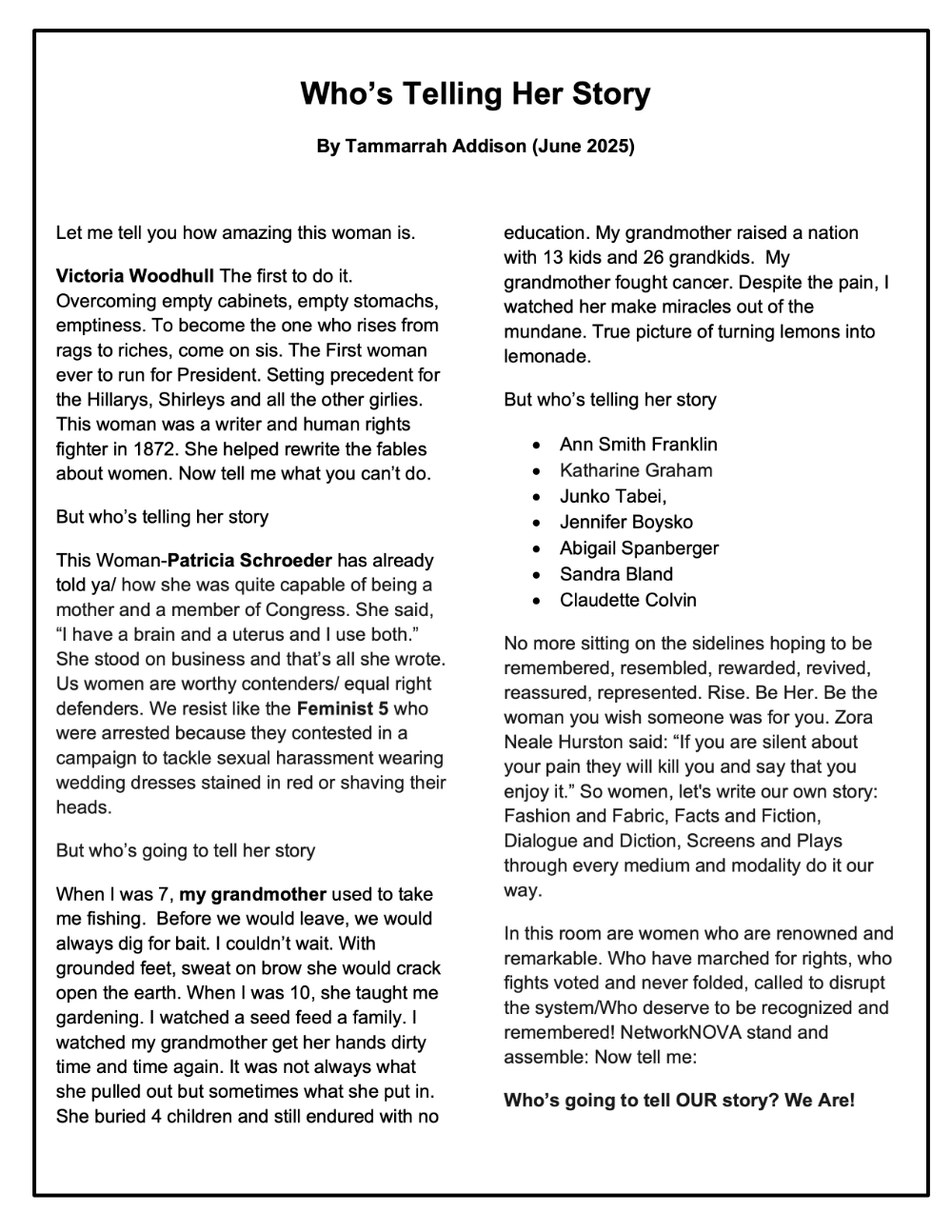
Our Guiding Poem
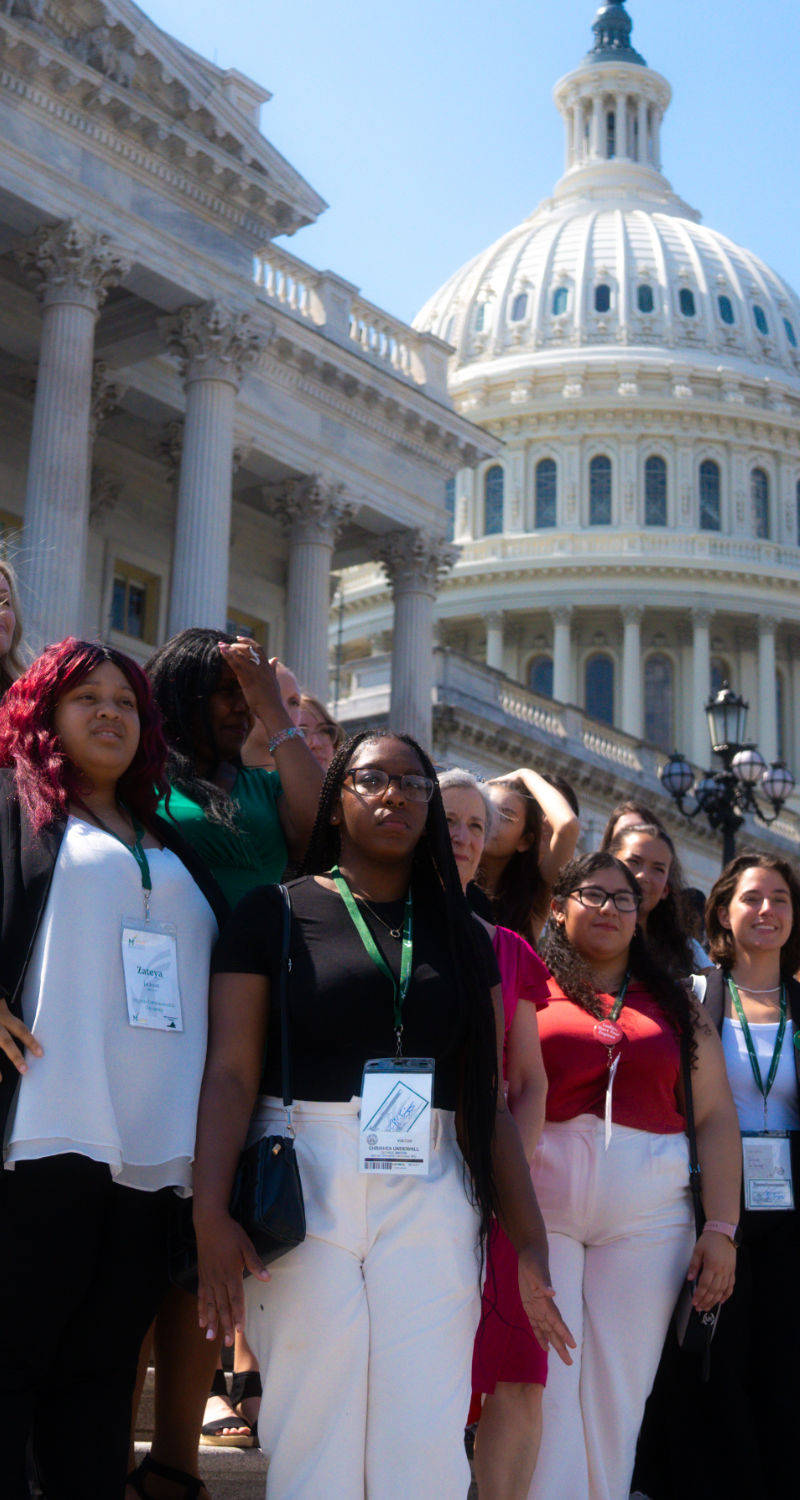

The Gender and Policy (GAP) Center leverages the existing expertise of George Mason University’s Schar School of Policy and Government to investigate and advance understanding about women’s positions of influence and power in the public sphere, as well as to identify and study policy issues for women and other groups and provide educational opportunities advancing women’s leadership.
As a partner and affiliate initiative of GAP, the Persisterhood Oral History Project will be archived through the Special Collections Research Center (SCRC) at George Mason University Libraries as accessible to the public through the Mason Archival Repository Service (MARS)
Your Questions Answered
Answers to your questions about the Persisterhood Oral History Project.
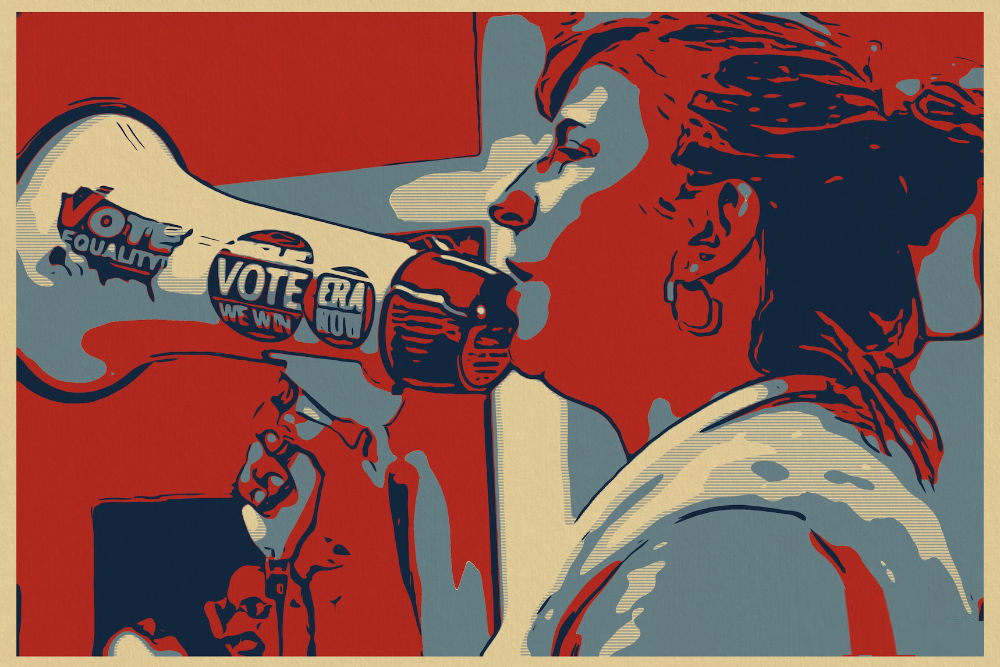
What is Oral History?
Oral history is a method of conducting historical research through recorded interviews with the goal of adding to the historical record.
How can I participate in the project?
Currently we are in the “gearing up” stage. The project will officially launch at the Women’s Summit (June 27-29, 2025). If you would like to help us prepare for the launch, click here.
Who can share their story?
We welcome stories from women of all ages and backgrounds who have become politically active in response to pivotal events like the 2016 & 2025 Presidential Elections, the Women’s March, the striping of women’s rights, the attack on Democracy and freedom durimg the time period from 2016 through today.
How will the interviews conducted?
Interviews will be conducted over Zoom.
What's the difference between an oral history interview and interviews conducted for other purposes?
It is helpful to understand the differences between an oral history project and an interview project by defining their intended uses. The word interview is used in both instances.
An interview seeks to gain information, very directly, about a specific event, time, experience for a specific outcome, such as to uncover issues, fix a problem, or address a concern. These interviews are often short and focused, driven by the interviewer’s topic. For example, Rural GroundGame is conducting a “listening tour” to talk to people throughout Virginia about the 2024 election to learn what worked, what didn’t, and what needs to change going forward.
Oral histories, on the other hand, are defined by the intention of gathering primary source materials from the people who lived it for the purposes of preservation and use by a wider audience. An oral history interview can be lengthy and extend over several sessions. The narrators are asked to recount their experiences and memories free of a predetermined or filtered agenda.
Another way to look at the difference is in the order of the interview process. In oral history, the order is gathering, preserving and finally interpreting. The interpretation and analysis begins only after a series of interviews have been conducted. The primary data gathered drives the analysis. In interviewing, the process starts with a specific purpose or outcome in mind that directs how the material is gathered. Preservation and distribution of the raw data for use by others is not part of the project purpose or scope.ds
A simple way to distinguish the difference is that when you interview you have an agenda of what information you want to collect. In oral history, your agenda is to collect and preserve.
Our Theme Song
“Sleeves Up” by Crys Matthews [Link to YouTube version]
Every movement needs a rally cry, a song that expresses the sentiments of the time. We are honored to have Crys Matthews’ new song “Sleeves Up” as the official theme song of this project. Singer/songwriter Crys Matthews, is a troubadour of truth whose songs “amplify the voices of the unheard, to shed light on the unseen, and to be a steadfast reminder that hope and love are the truest pathways to equity and justice.”
Sleeves Up reminds us:
We didn’t come this far to just come this far
when there’s so much left to lose.
We didn’t come this far to just come this far
when the future’s ours to choose.
We didn’t come this far to just come this far
to not get what we were due.
We didn’t come this far to just come this far,
so put on your marching shoes.
Collecting & Preserving Our Stories